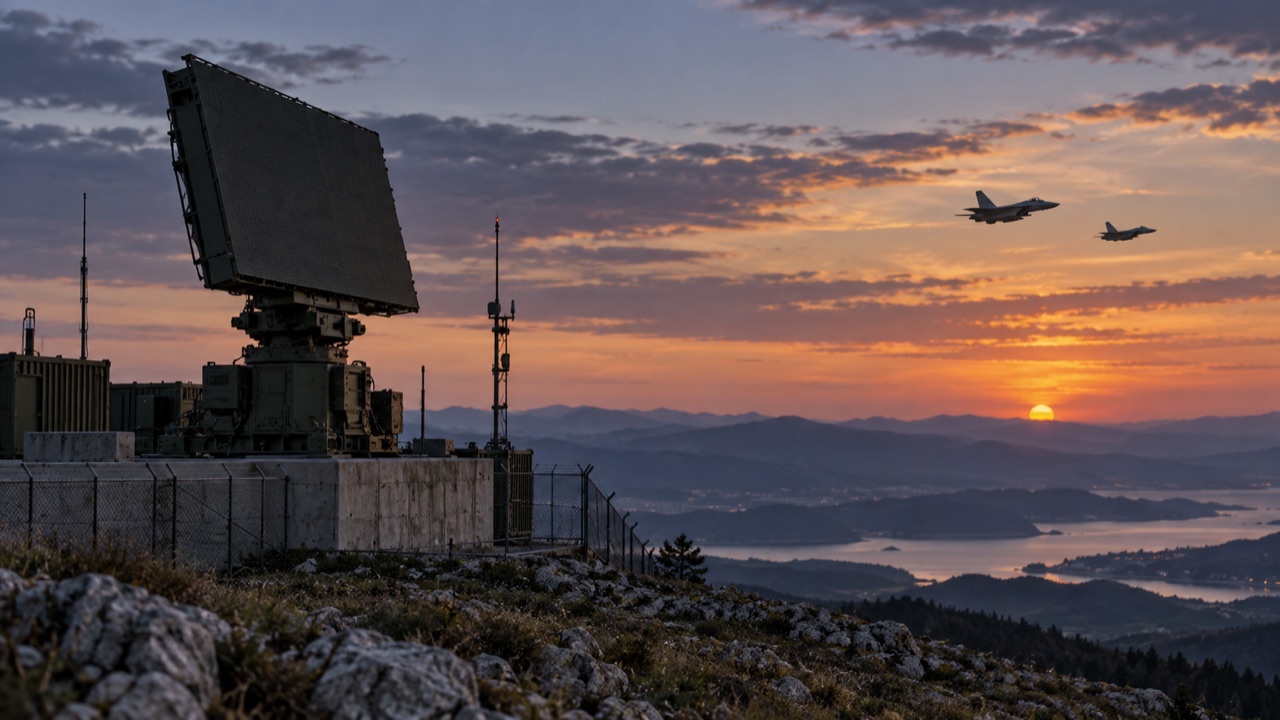
A shootdown of a Russian piloted warplane over NATO territory would be a sharp break from the interceptions that have followed recent incursions. No such shootdown is reported in the official records used for this forecast as of 11 October 2026.
What is known.
NATO said three armed Russian MiG-31 aircraft entered Estonian airspace in September 2025. Allied jets intercepted and escorted them away. The alliance also recorded Russian drone incursions over Poland and other eastern members, prompting Article 4 consultations and the launch of Eastern Sentry.
NATO says its air-policing mission was integrated into a broader air-defence posture through 2026, with more surveillance, aircraft and response options along the eastern flank. Greater coverage could make future violations more likely to be detected and confronted, without making a shootdown inevitable.
What earlier cases show.
Allied defences engaged Russian drones over Poland in September 2025. A drone engagement is a different threshold from destroying a crewed aircraft, which would carry a greater risk of deaths and direct escalation between NATO and Russia.
Why it is a possibility.
Repeated incursions, faster interception and more forces operating close to the border leave room for a dangerous encounter or miscalculation. The forecast concerns a crewed Russian military aircraft inside recognised allied airspace, not a drone or a clash beyond NATO territory.
The 12% probability is a provisional editorial judgement. The usual practice of interception and escort, together with the political cost of an armed clash, keeps the estimate low.
What could prevent it.
Interception and escort remain the usual response to airspace violations. Allied governments have a strong incentive to avoid the casualties and escalation that a shootdown could bring.
How it will be assessed.
Resolves YES if, by 31 December 2027, a NATO member's armed forces shoot down a crewed Russian military aircraft while it is inside the internationally recognised airspace of a NATO member, confirmed by NATO or a named NATO member government. Drones, missiles, accidents, and incidents outside allied airspace do not count.
Sources and primary records
Probabilities are provisional editorial estimates, not guarantees. Sources document the present evidence and resolution rule. Read the full disclaimer.